
INTEGRIS Health
Activating purpose from tall buildings to tall trees
Focus:
Employer Brand Transformation & Value Strategy Development
Key Elements:
Decision-Dynamics Research, Creative Direction, Content Strategy, UX Design, Career Site Reinvention, Storytelling.
The Challenge
INTEGRIS Health is Oklahoma's largest not-for-profit health system, with 16 hospitals, roughly 12,000 employees, and providers in 49 towns and cities across the state. By any measure, a significant institution. But the recruiting presence didn't reflect that scale, and more importantly, it didn't reflect the full geography of where INTEGRIS actually operated and who they needed to reach.
The system's messaging had drifted toward urgent hiring in urban markets, which made sense tactically but created a strategic blind spot. INTEGRIS wasn't just an Oklahoma City employer. It was a statewide health system serving suburban communities, small towns, and rural areas where healthcare access was often most critical and hardest to staff. The nurses and clinicians who chose to build careers in those communities weren't an afterthought. They were central to the mission. The brand wasn't telling that story.
Finding the Insight
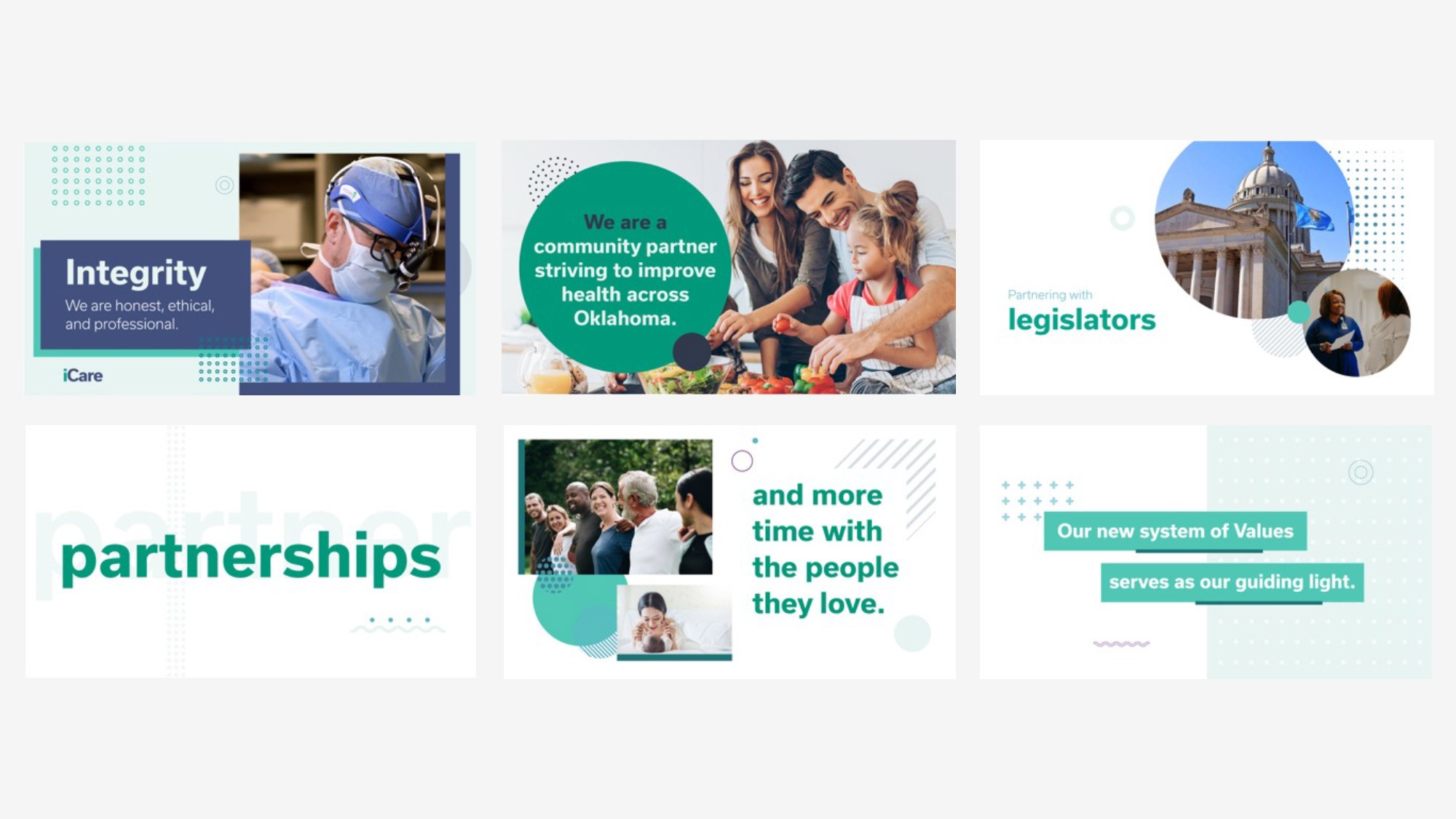
The work drew on talent competitor auditing, brand auditing, and job seeker shadowing alongside direct engagement with INTEGRIS leadership and their CMO. What emerged was a system with a genuinely distinctive identity, Oklahoma-owned, community-rooted, operating with the resources of a major health system and the orientation of a neighbor, that wasn't leveraging any of it in how it recruited.
The insight was geographic, but the implications were strategic. Urban and rural weren't different audiences requiring different messages. They were the same audience, people called to healthcare and to Oklahoma, who needed to see themselves reflected across the full range of where INTEGRIS operated. One mission. One standard of care. Every community in the state.
The Strategy
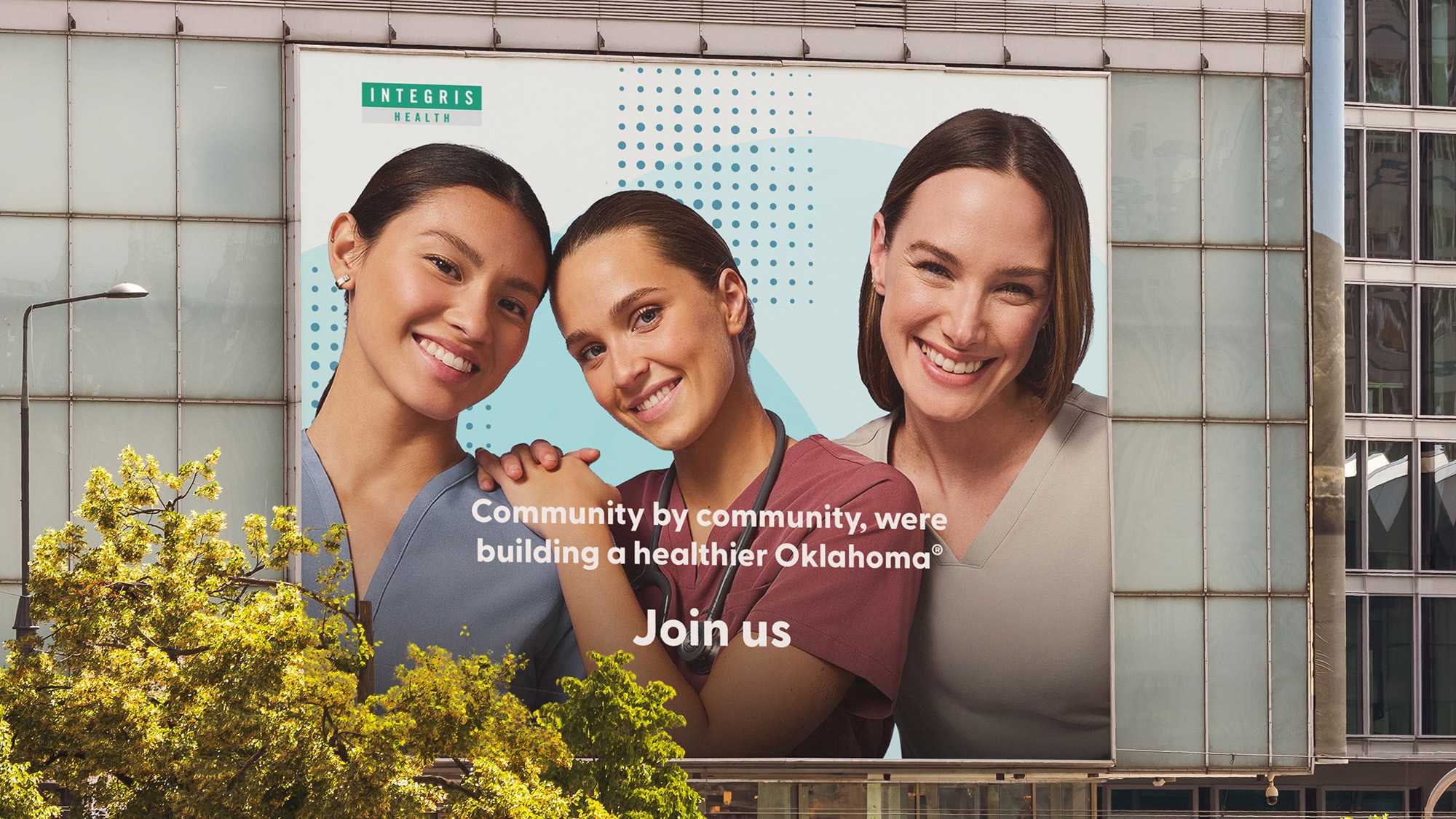
The positioning, "Community by community, we're building a healthier Oklahoma," did what good employer brand positioning does: it connected personal purpose to organizational mission and made geography an asset rather than a liability. Choosing to work in Enid, Grove, or Miami wasn't a compromise. It was the point.
The strategic model we brought to the content architecture was borrowed from tourism. A destination brand never knows who's coming, for how long, what they want to do, or what size group they're traveling with. So it builds a world and invites people in, showing the full range of what's possible, from flagship experiences to hidden gems, from peak season to rainy days. INTEGRIS needed that same approach: a career site that could receive a nurse ready to relocate to Oklahoma City and a respiratory therapist considering a smaller community hospital in the same visit, and make both feel seen
What We Built
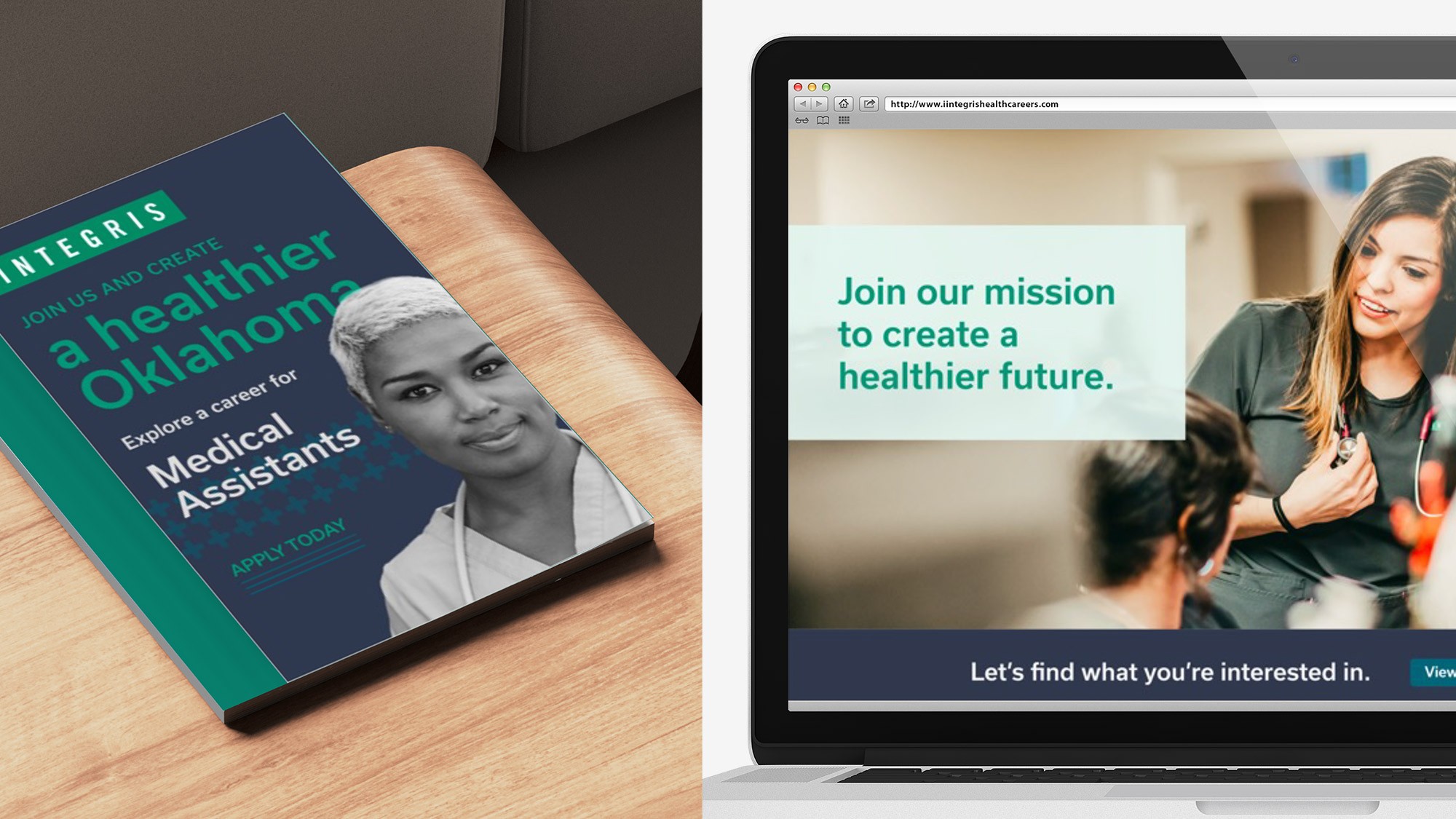
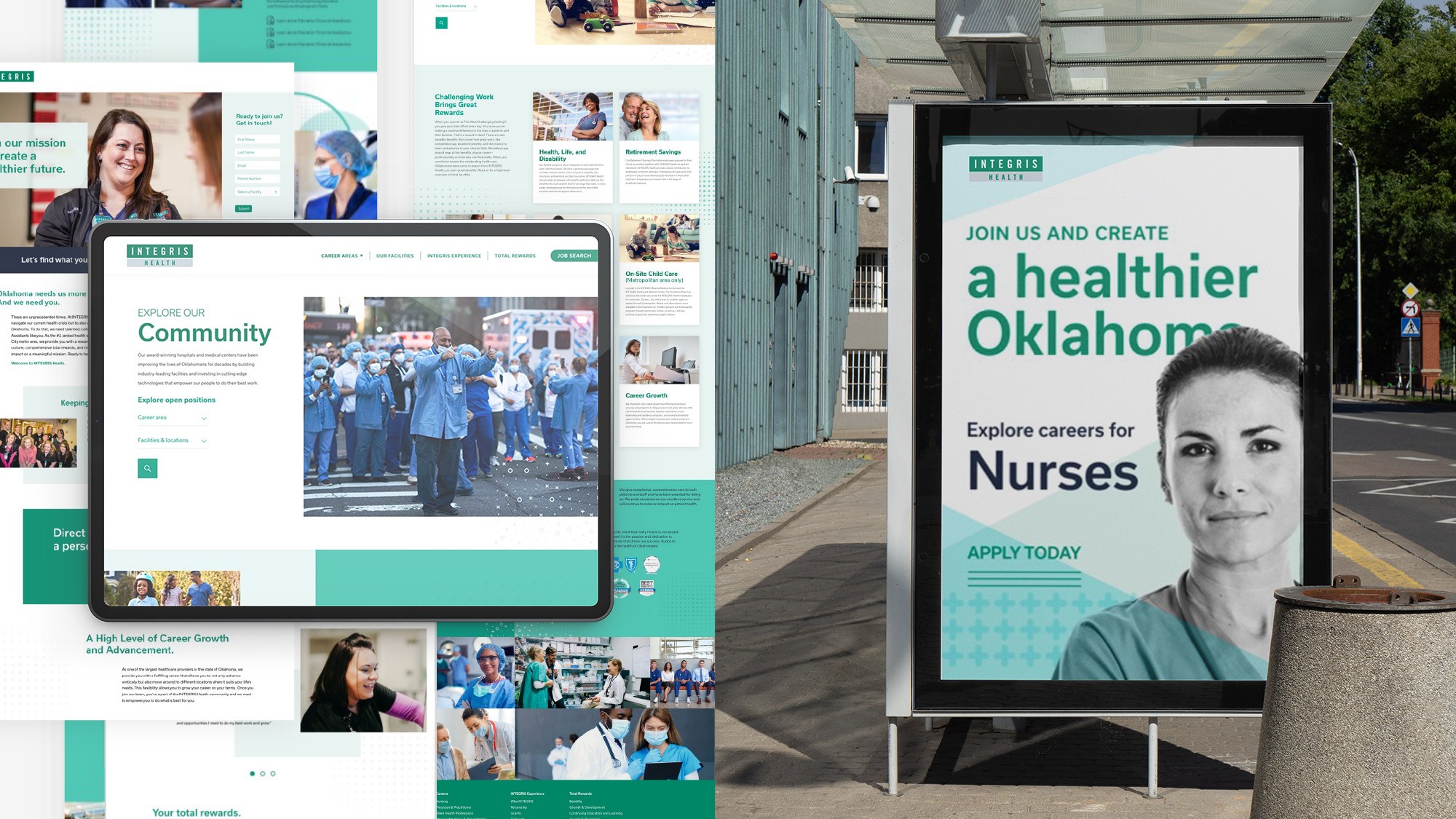
The engagement covered brand strategy, content strategy, UX redesign, and a fully rebuilt career site that brought the platform to life across the system's full footprint. Audience-specific career area pages gave each discipline its own entry point and narrative. Location pages connected facilities to their communities. Digital and traditional recruiting campaigns, targeted landing pages, event collateral, onboarding materials, and a robust social content system extended the platform into every channel where INTEGRIS needed to show up. A brand launch video, produced in partnership with the INTEGRIS marketing team, introduced the new direction to facility leaders and staff across the system, translating the strategic shift into a story the whole organization could rally around.
The Result
The internal launch video landed well, received warmly by facility leadership across the system as a signal that something had genuinely changed in how INTEGRIS was thinking about its people and its communities. The strategic platform was embraced at the leadership level, the creative system was fully executed, and the internal momentum behind the work reflected exactly what a brand transformation of this scale requires: organizational belief that the story was worth telling differently.