Phoenix Children's Hospital
Sometimes, the work chooses you.
Challenge: Working with critically ill children requires extraordinary emotional strength. PCH feared being honest about this challenge, worried it would deter applicants. But every staff member we interviewed emphasized how emotionally demanding the work is—and how strongly they felt about accepting that challenge. This was clearly not a place for anyone not ready for that reality.
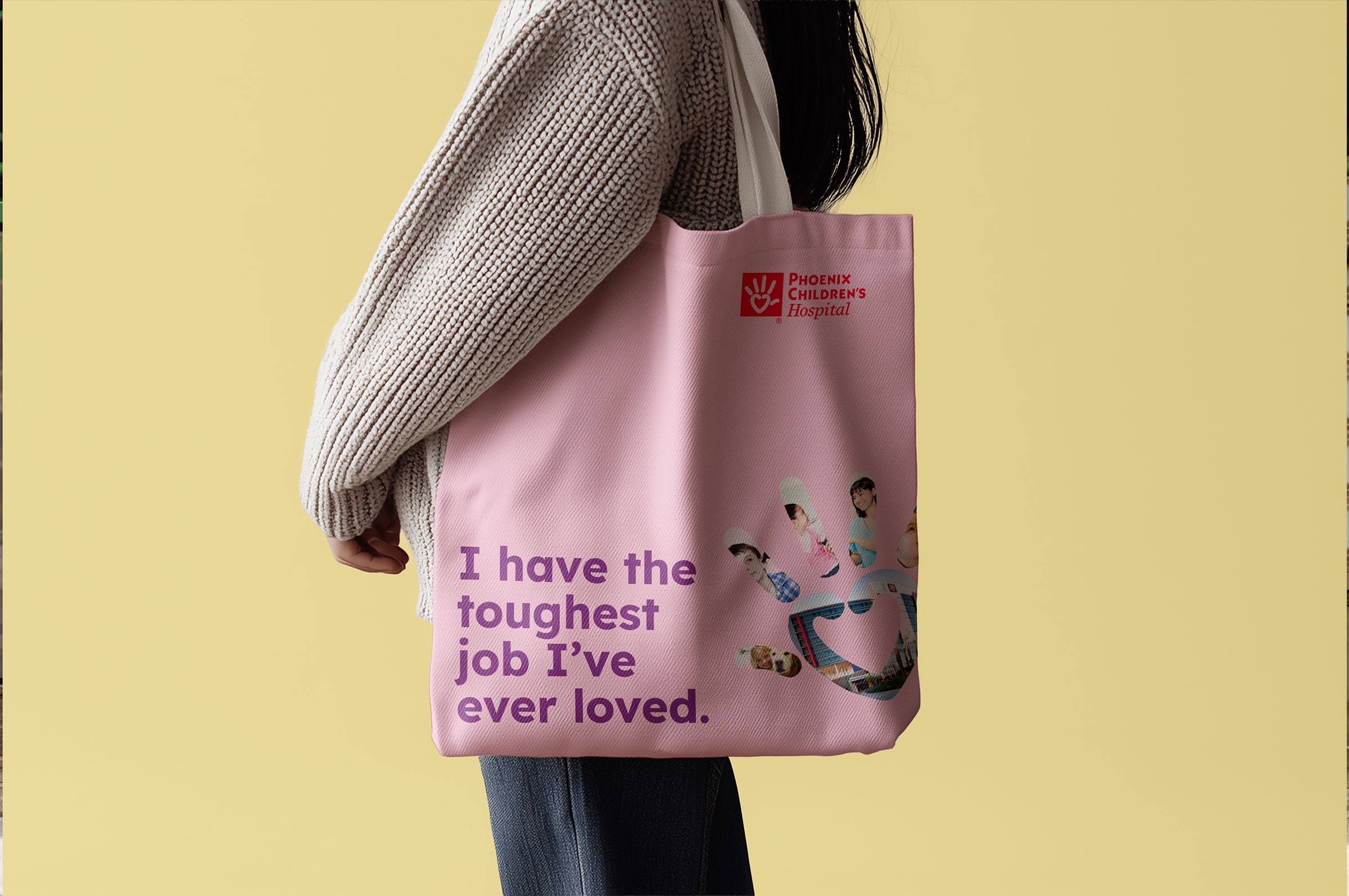
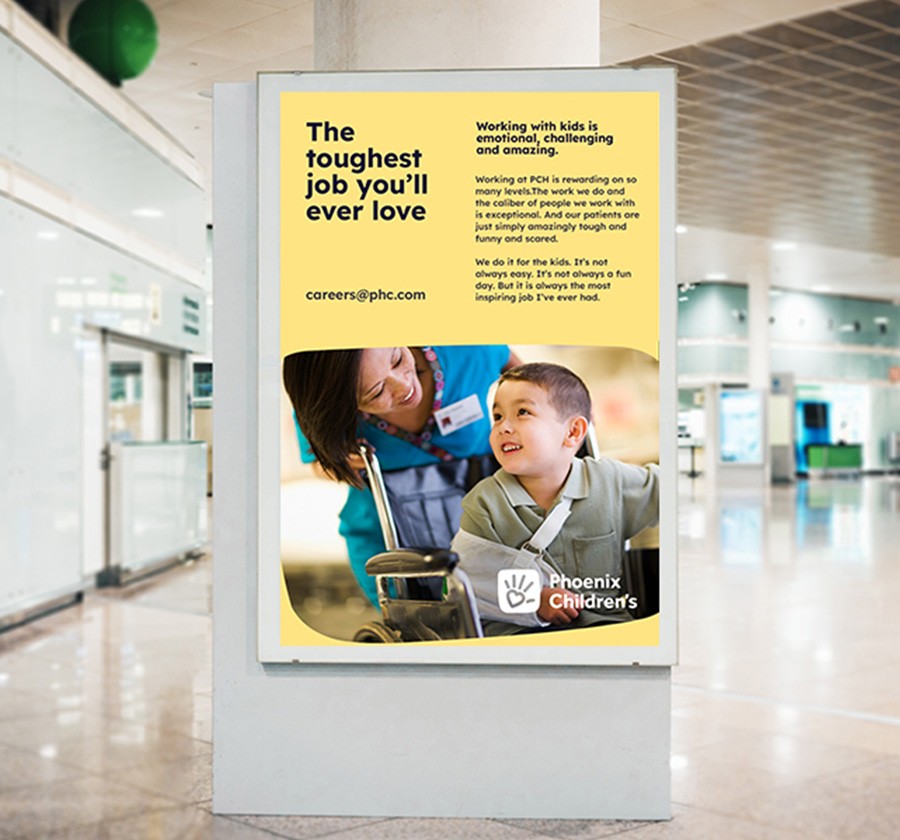
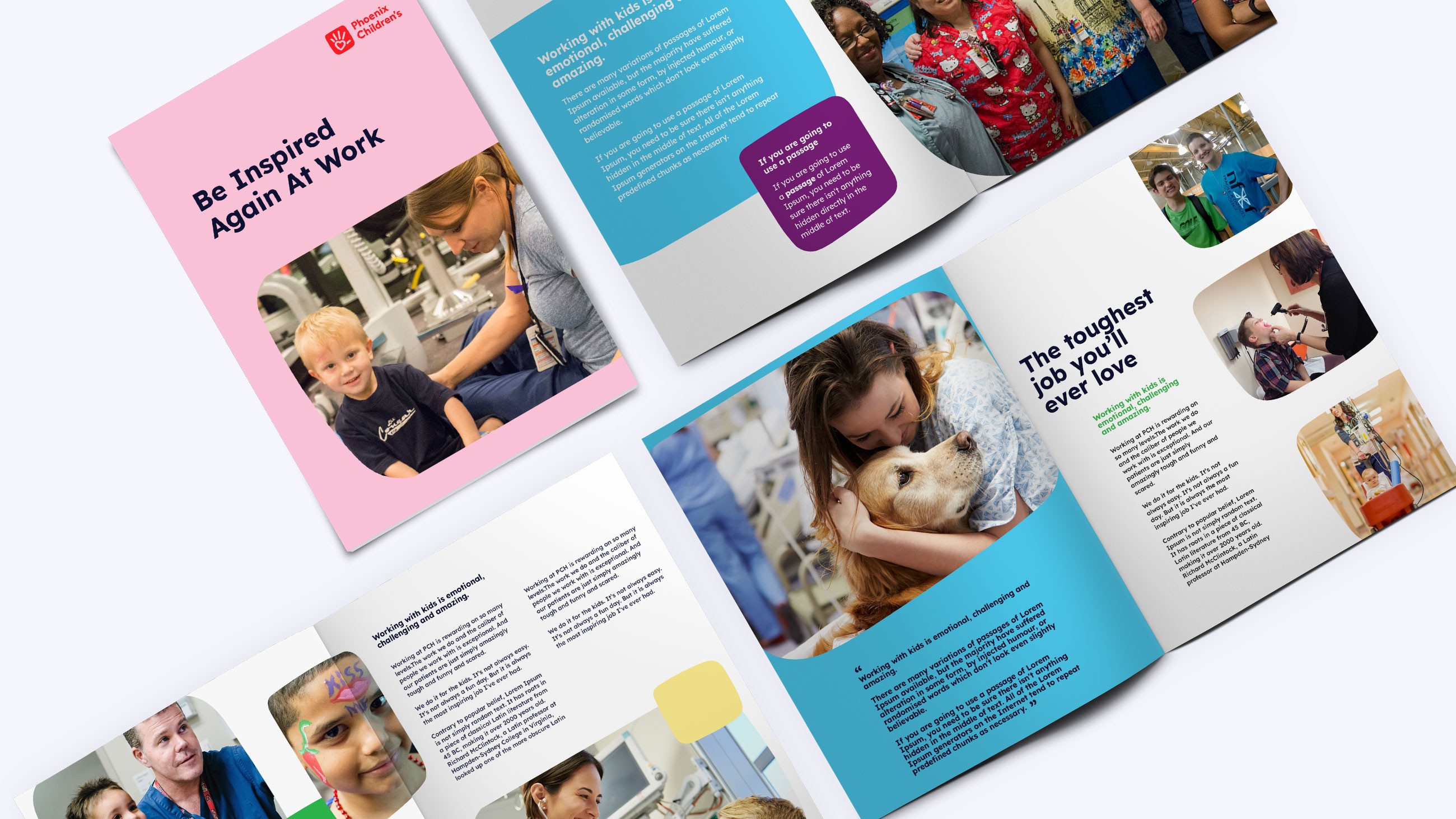
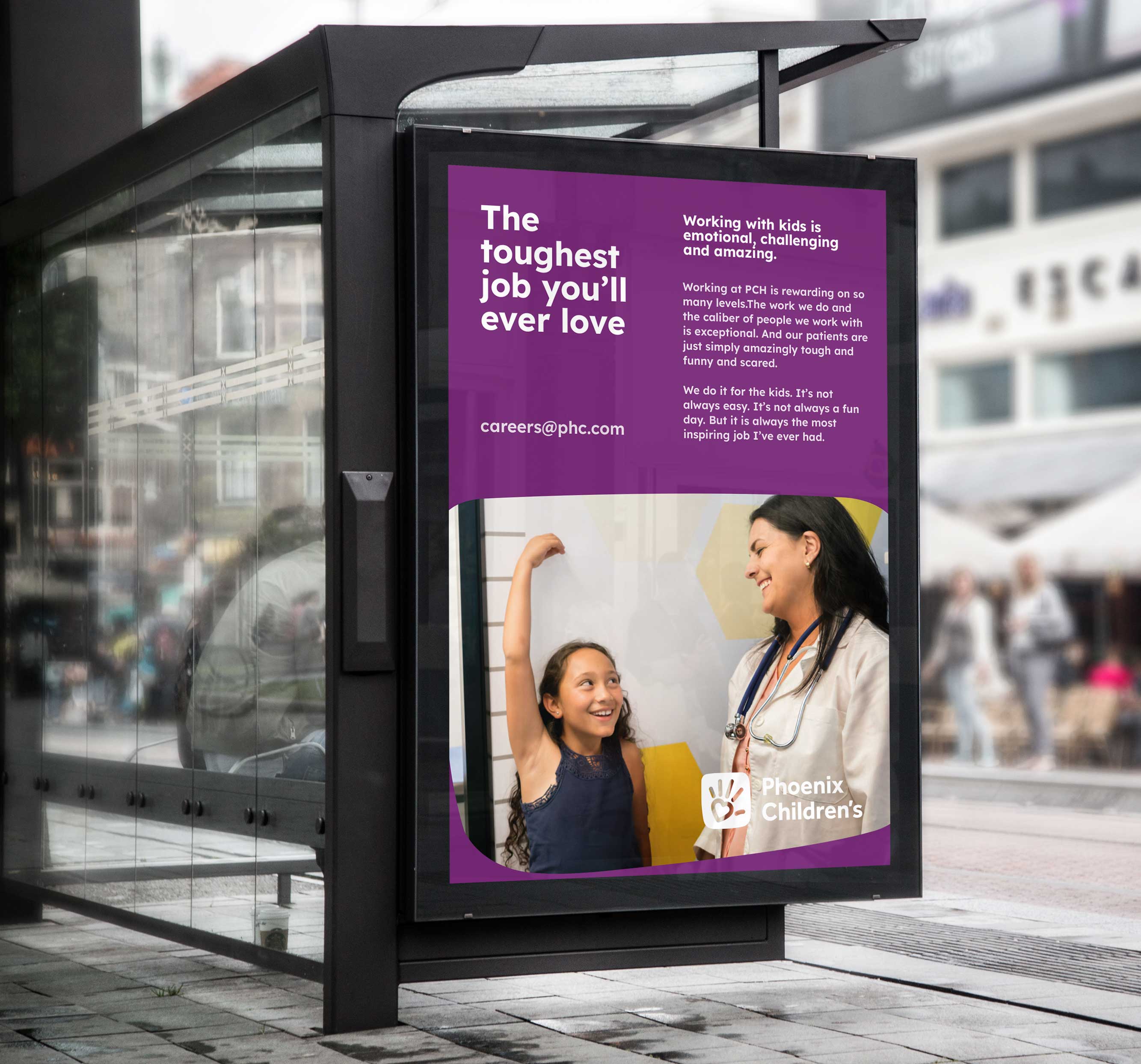
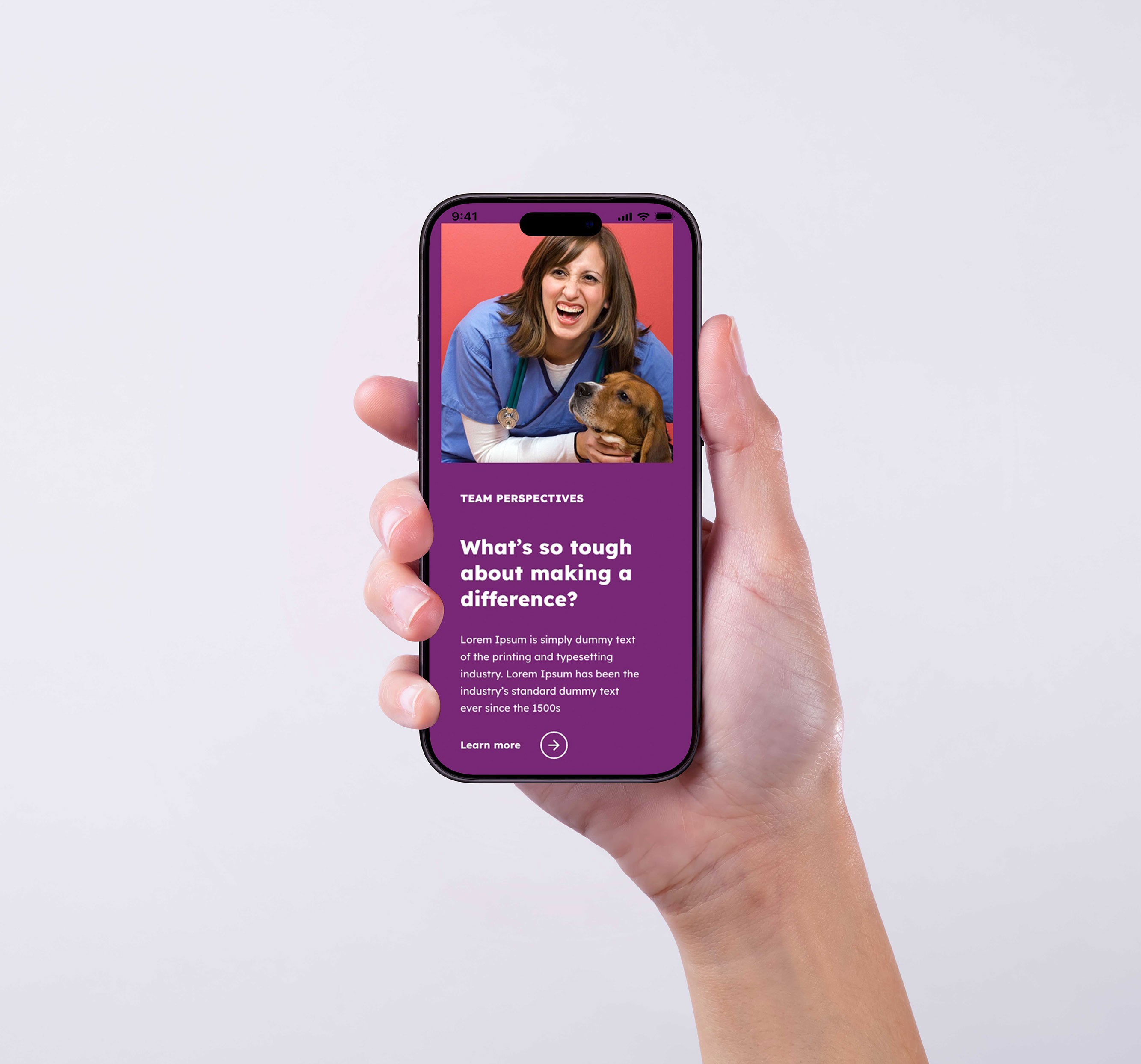
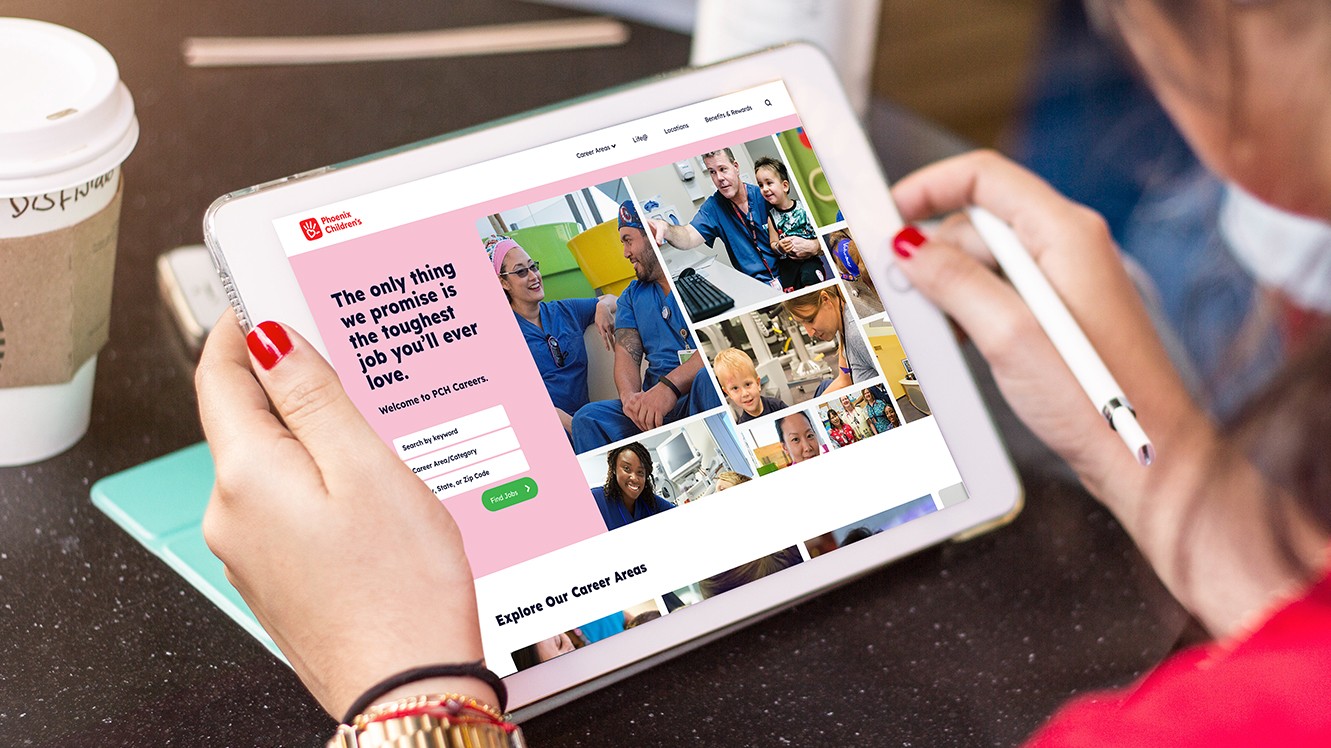
Approach: We built a creative strategy around PCH's truth. Everyone from maintenance to nurses to administration was a first responder in their own way. A nurse shared that there were days she had to go into the bathroom and cry, then dust herself off and be fully present for her patient and their family. Made of steel—emotional steel—but also real, vulnerable, and supported because the people around her were made of the same stuff. That's PCH's culture. We leaned in fully to that truth. It informed all design, writing, and content strategy. And it worked beyond what anyone expected.


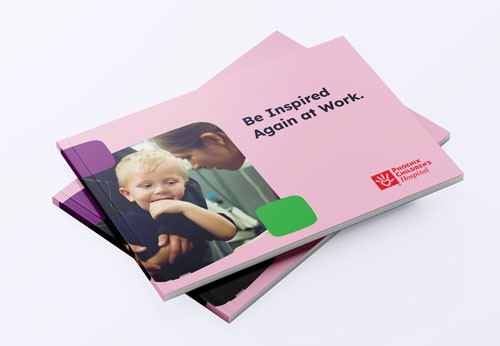
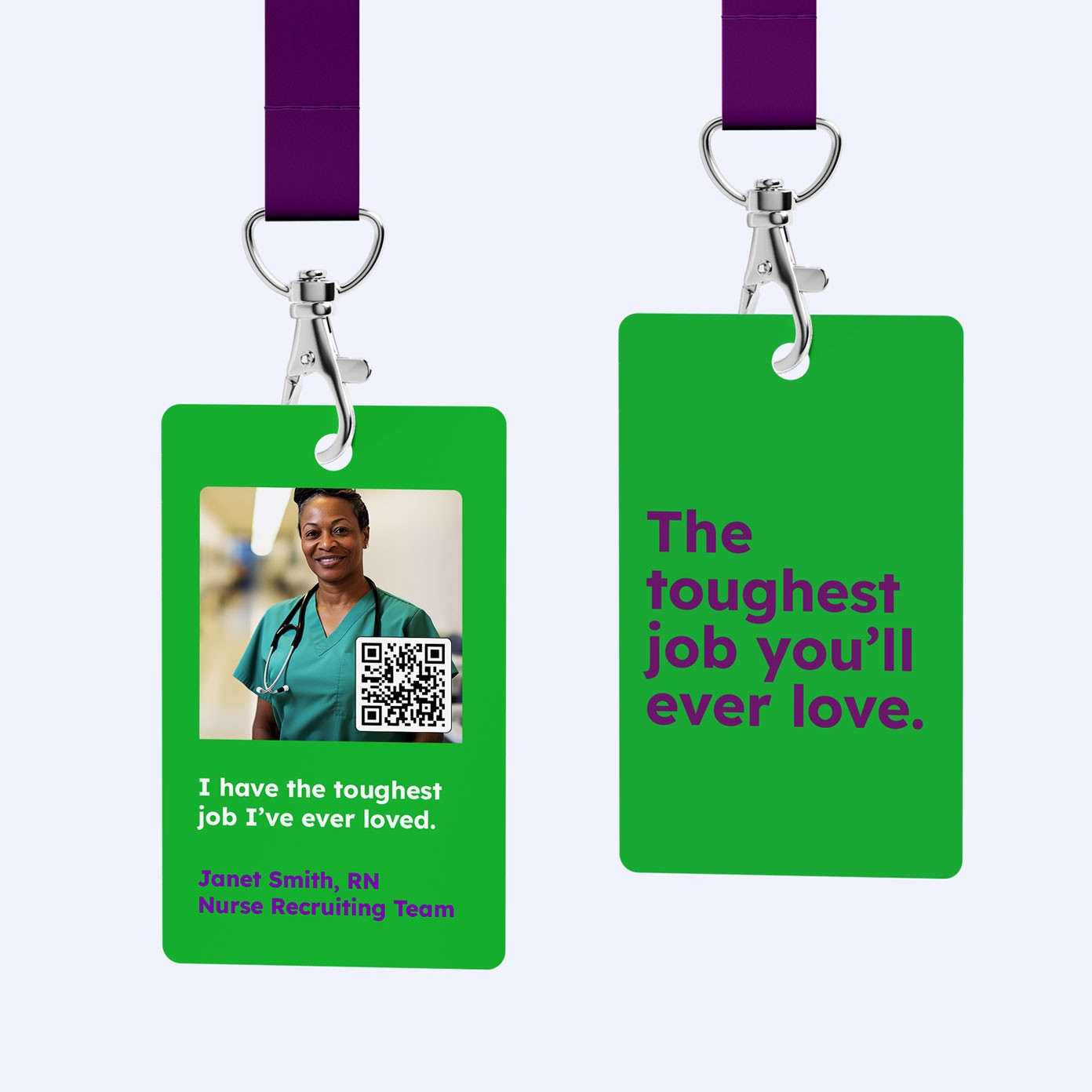

"When I read 'the toughest job you'll ever love,' I felt seen for the first time. This work breaks you and rebuilds you every single day. I needed to know the organization understood that before I could commit to being here."
— PCH Nurse

"We were afraid to tell the truth about how hard this work is. Turns out, honesty was exactly what we needed. The people who stayed in the process weren't just qualified—they were ready for the reality. Even sought it out. That significantly changed our recruiting and hiring outcomes."
— Talent Acquisition Leader
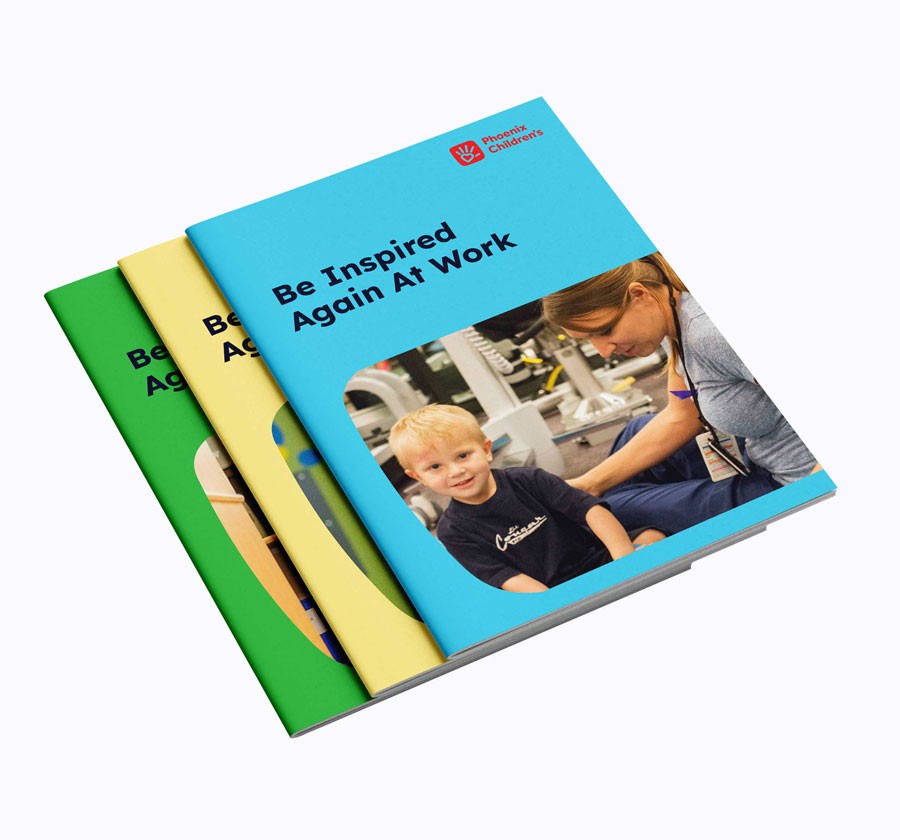
The strategy proved what few organizations have the courage to test: selective messaging drives better outcomes than broad attraction. By cutting applicant volume in half, PCH eliminated mismatched candidates who would have churned quickly, saving countless hours in interviewing, onboarding, and backfill recruiting. More importantly, the people who did apply came in with eyes open. They knew what they were signing up for.

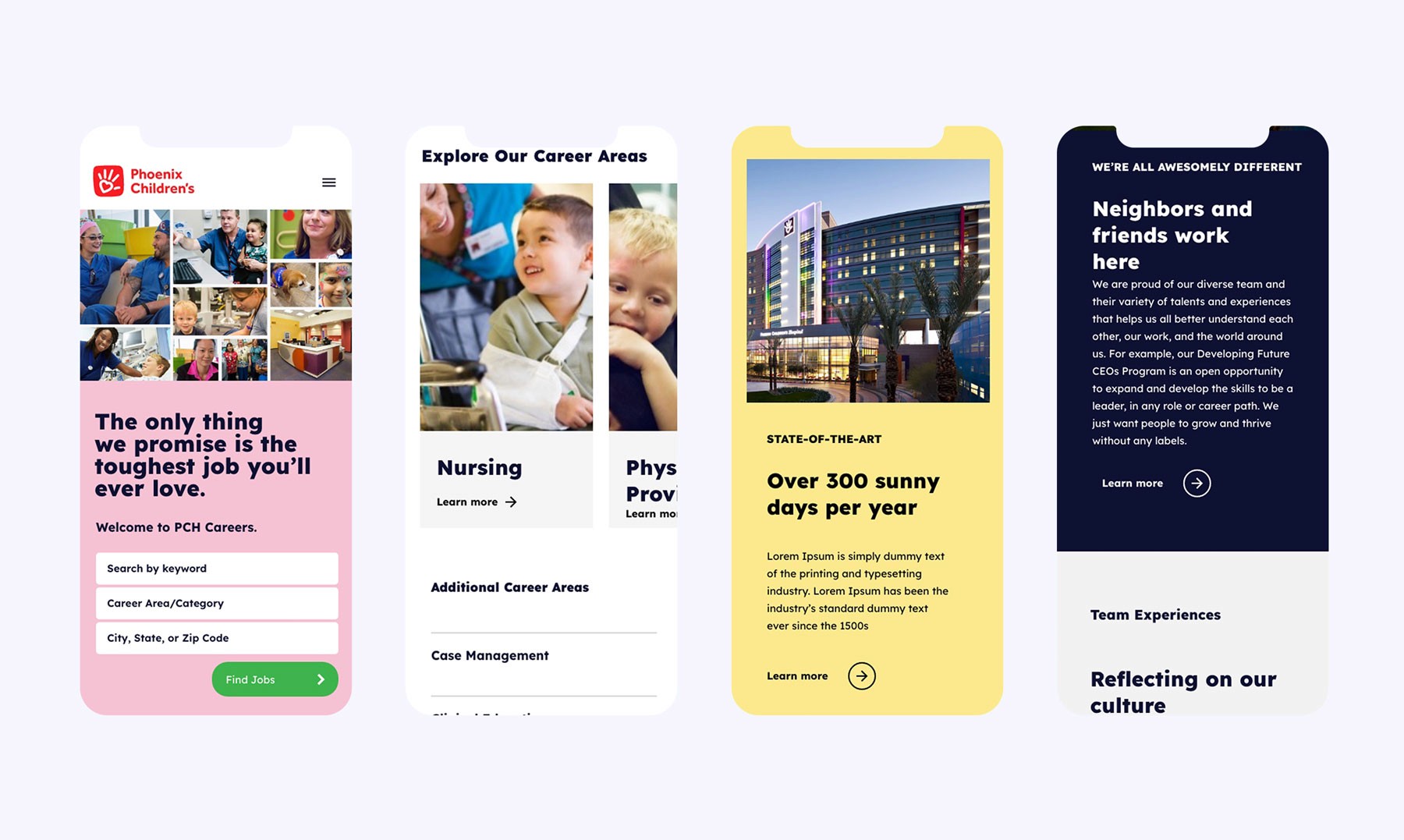
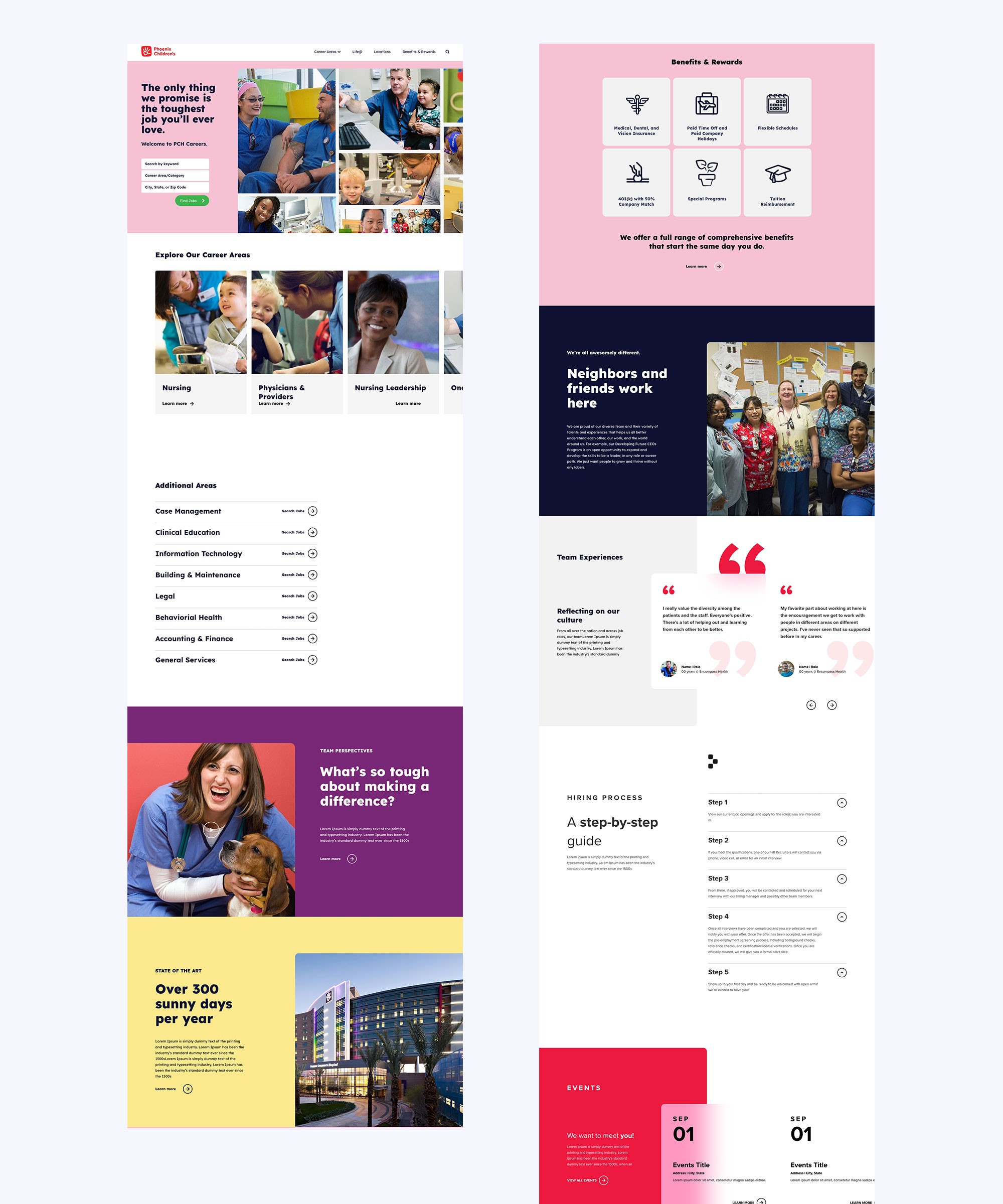
Results: Applicant volume dropped by over 50%, significantly reducing recruiter overload while dramatically improving candidate quality and fit. Most importantly, candidates came in with clear expectations and the right motivations.
Six months later, and again at one year, engagement and retention metrics had all improved at dramatic levels.